Water Damage Restoration in Kansas City, MO & KS
A burst pipe, flooded basement, sewer backup or appliance leak can spread water through floors, walls and insulation. Call for water removal, moisture assessment, structural drying, cleanup and repair for homes and businesses across the Kansas City metro.
- Available 24 Hours a Day
- Serving Kansas City, Missouri and Kansas
- Residential and Commercial Water Damage
- Extraction, Drying, Cleanup and Repair
Tell us your ZIP code, where the water came from and which rooms or materials are wet. We’ll help you understand the appropriate next step and provide the current response estimate for your location.
Safety first: If standing water may be in contact with outlets, wiring or electrical equipment, stay out of the affected area and call for professional guidance.
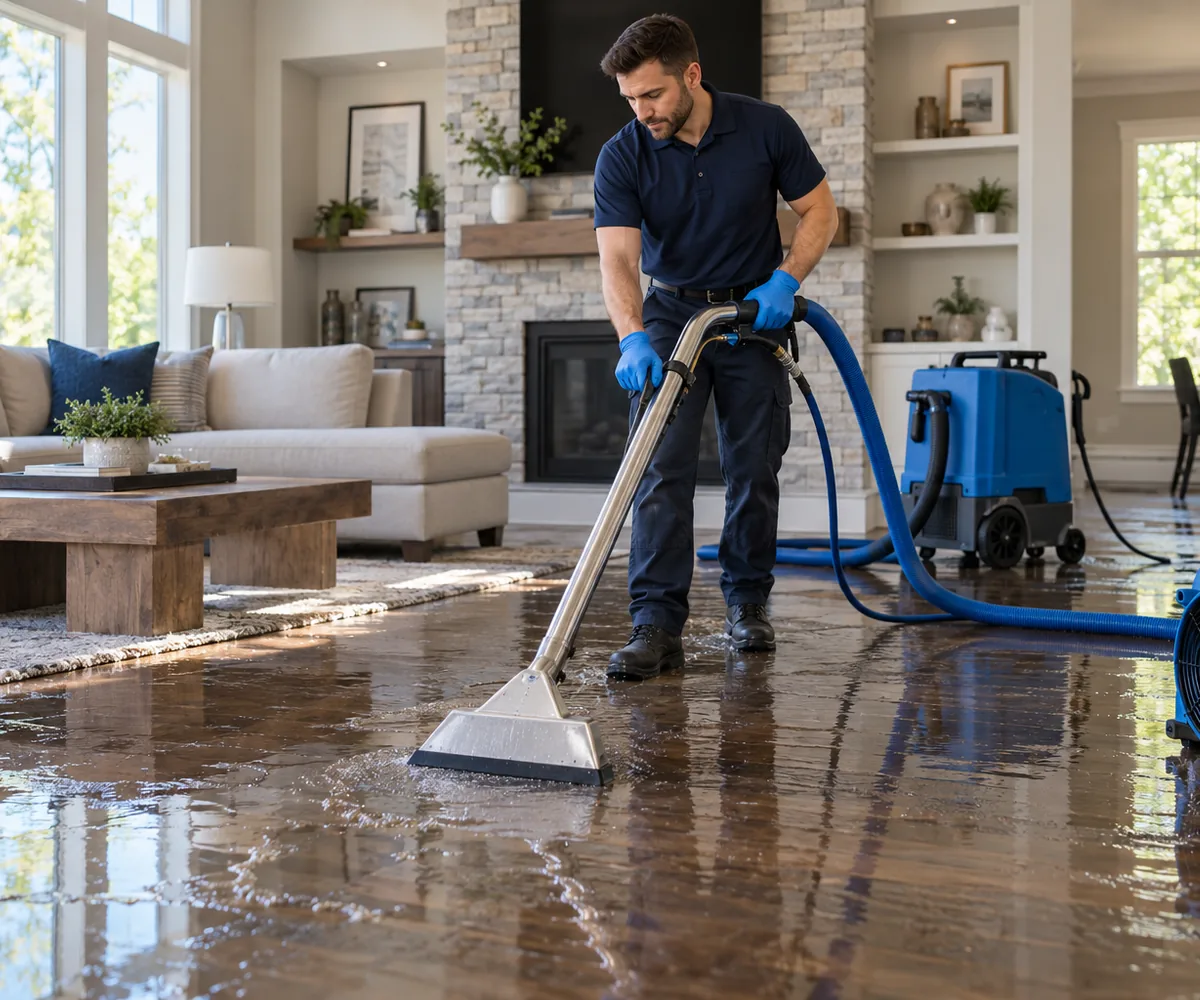
Visible Water May Be Only Part of the Damage
Water from a burst pipe, flooded basement, appliance leak or sewer backup can move beneath flooring, behind walls and into insulation. Removing what you can see may not address moisture trapped inside the structure.
Water damage restoration begins by identifying the source, locating affected materials and determining what needs to be extracted, dried, cleaned or repaired. The right response depends on where the water came from and how far it traveled.
- Find the source
- Remove standing water
- Dry hidden moisture
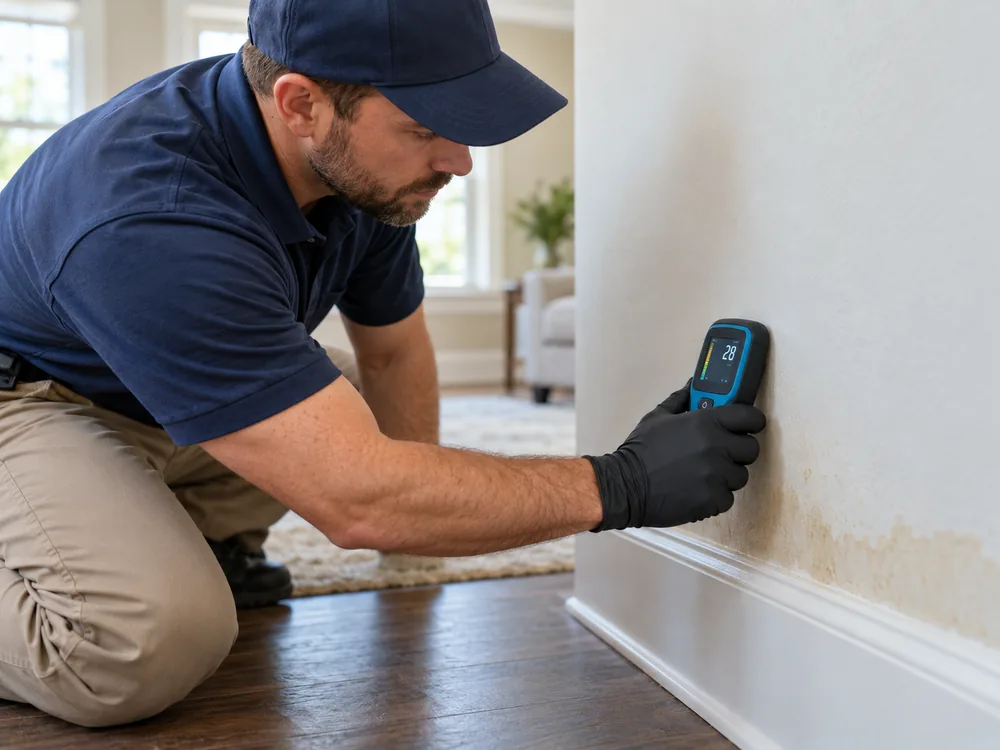
What Caused the Water Damage?
You do not need to know whether you need extraction, mitigation or restoration before calling. Start with what happened and where the water appeared. The source helps determine the safest next step.
Water Is Still Entering
If water is actively spreading from a fixture, appliance or plumbing failure, shut off the source only when it is safe. Emergency help can limit the spread and begin removing standing water.
Get Emergency Water Damage Help →02A Pipe Has Burst or Frozen
Repairing the pipe stops the leak, but it does not remove water trapped inside walls, flooring or insulation. The affected areas may still require extraction and structural drying.
Explore Burst Pipe Water Damage Cleanup →03The Basement Is Flooded
Basement cleanup depends on whether the water came from a sump-pump failure, plumbing leak, wall seepage, floor drain or outside flooding.
Get Help With a Flooded Basement →04Sewage or a Drain Has Backed Up
Keep people and pets away from sewage-contaminated water. Safe restoration may require controlled material removal, cleaning, sanitizing and structural drying.
Learn About Sewage Cleanup →05Stormwater or Floodwater Entered
Water entering from outside may carry mud, debris, microorganisms and other contaminants. Affected materials must be evaluated before cleanup and drying begin.
Explore Flood Damage Cleanup and Repair →06The Surface Looks Dry, but Moisture May Remain
Water can stay beneath flooring, behind walls, under cabinets and inside insulation after visible water is gone. Moisture assessment and measured drying help locate and address what cannot be seen.
Learn About Water Mitigation and Structural Drying →Not sure where the water came from? Call (913) 456-7070 and tell us where you first noticed it. We’ll help you identify the appropriate next step.
Call for Water Damage HelpWater Damage Restoration Services in Kansas City
From emergency water removal to structural drying and repairs, the required service depends on the source of the water, the materials affected and the extent of the damage.
Emergency Water Removal
Rapid extraction helps control standing water from plumbing failures, appliance leaks and overflowing fixtures before it spreads farther through the property.
Water Mitigation and Structural Drying
Moisture assessment, extraction, air movement and dehumidification help dry water trapped beneath floors, behind walls and inside other building materials.
Water Mitigation and DryingBasement Water Cleanup
Cleanup for basement water caused by sump-pump failures, plumbing leaks, seepage, floor-drain backups and outside flooding.
Basement Water CleanupFlood Damage Cleanup and Repair
Contaminated floodwater, mud and damaged materials are addressed before structural drying and repairs begin.
Flood Damage RestorationSewage Cleanup
Controlled cleanup, material removal, sanitizing and drying for sewage overflows and sewer backups affecting homes or businesses.
Sewage and Sewer Backup CleanupBurst and Frozen Pipe Water Damage
After the pipe is shut off or repaired, remaining water is extracted and affected walls, floors and insulation are evaluated for drying.
Burst Pipe Water Damage CleanupWater Damage Repair
Drywall, insulation, flooring, cabinets, trim and other permanently damaged materials can be repaired or replaced after drying is complete.
Water Damage RepairUnsure which service matches your situation? Call (913) 456-7070 and explain where the water came from and which areas are wet.
How the Water Damage Restoration Process Works
Every property requires a different restoration plan, but the work generally follows four stages—from controlling the water to completing necessary repairs.
- 1
Find the Source and Assess the Damage
The first step is identifying where the water came from, how far it traveled and which materials are wet or contaminated.
- 2
H3: 2. Remove Standing Water
Extraction equipment removes accessible water and helps limit further absorption into flooring, walls and contents.
- 3
H3: 3. Dry and Monitor the Structure
Air movers and dehumidifiers support controlled drying. Moisture readings help track affected materials and determine when drying is complete.
- 4
H3: 4. Clean, Repair and Restore
Affected areas are cleaned according to the water source. Materials that cannot be safely dried or retained are removed and repaired as needed.
Some properties need extraction and drying only. Others may require contaminated-material removal, detailed cleaning or reconstruction. The final scope depends on the water source, affected materials and moisture findings.
Learn About Water Mitigation and Structural DryingThe Water Source Changes the Cleanup Plan
Where the water came from helps determine the safety precautions, cleaning method and materials that may need to be removed.
Category 1 Water — Clean Water
This water begins from a sanitary source, such as a supply line or burst pipe. Some materials may be dried and retained depending on their condition and how long they remained wet.
Category 2 Water — Gray Water
This water contains contamination that may present a health concern. Sources can include appliance discharge and certain drain overflows.
Category 3 Water — Black Water
Sewage, waste-containing toilet backups and outside floodwater are heavily contaminated. People and pets should stay away from the affected area.
Water conditions can change as moisture sits or contacts contaminated materials. Identifying the source helps determine what can be cleaned, dried or safely retained.
Understand Water Damage CategoriesResidential and Commercial Water Damage Restoration
Homes require careful protection of living spaces and belongings. Commercial properties may also require access coordination and a plan to reduce disruption to tenants or daily operations.
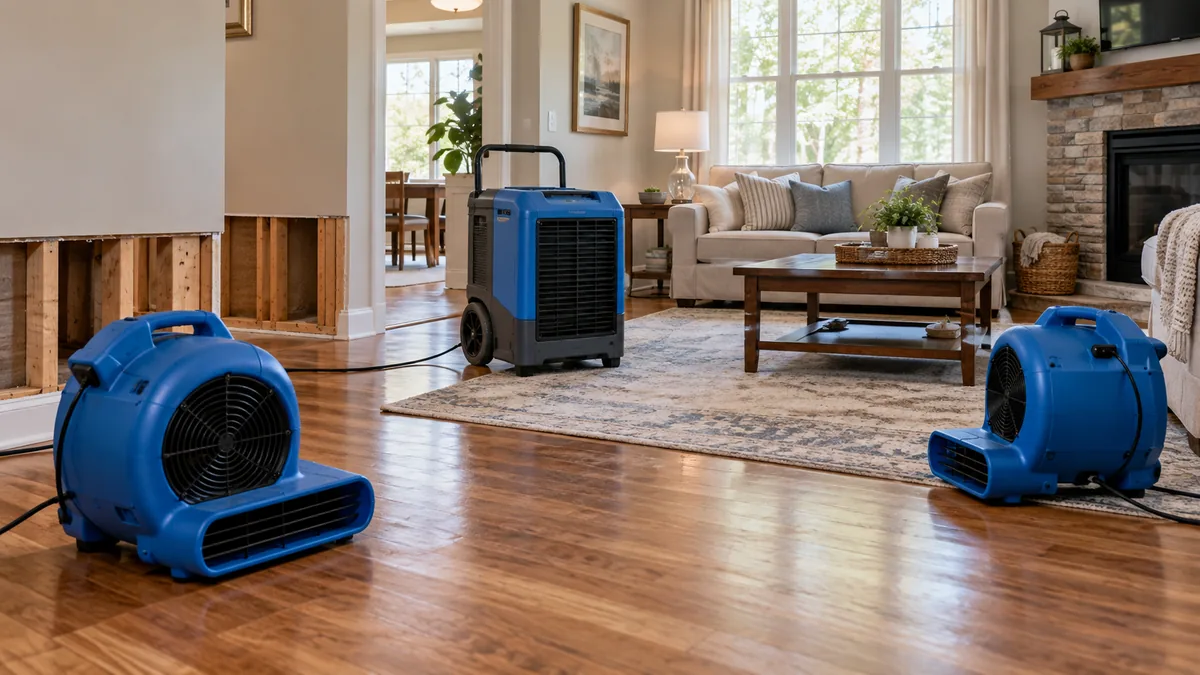
Residential Water Damage Restoration
Water can spread through bedrooms, kitchens, basements and shared living areas. Restoration focuses on identifying wet materials, protecting unaffected spaces and determining what can be dried, cleaned and saved.
Residential Water Damage Restoration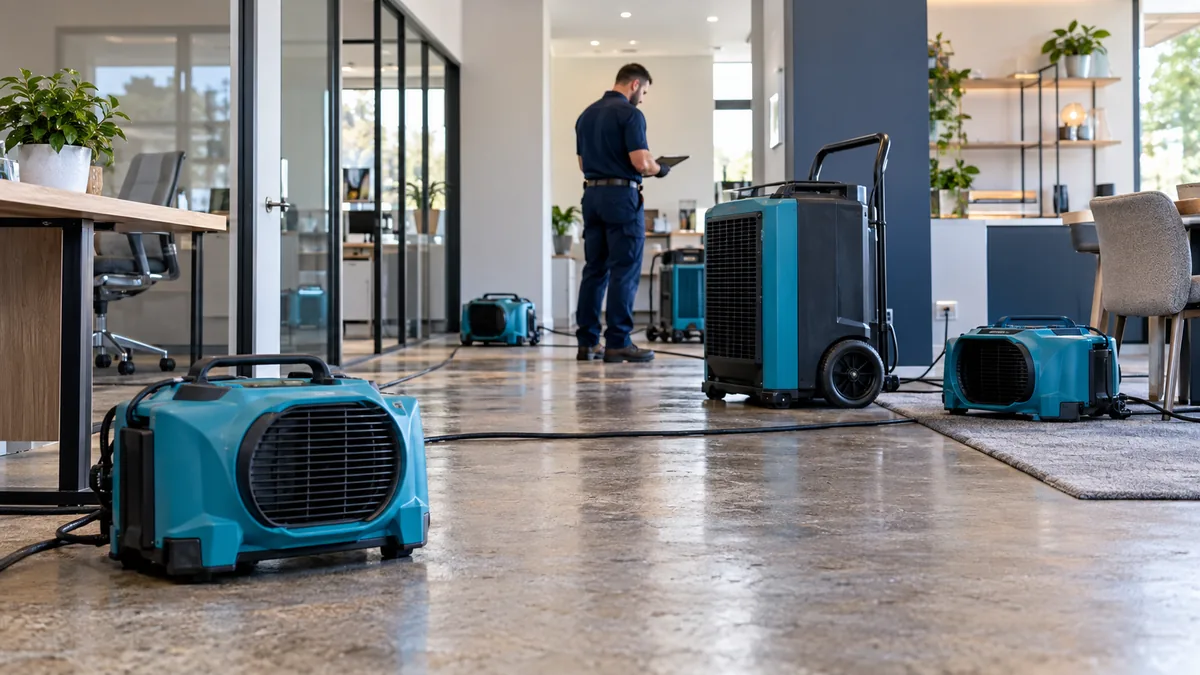
Commercial Water Damage Restoration
Water damage can interrupt operations and affect tenants, equipment, records or inventory. The restoration plan considers building access, affected areas and any spaces that can remain open safely.
Commercial Water Damage RestorationNeed help identifying the right service? Call (913) 456-7070.
What Affects Water Damage Restoration Cost in Kansas City?
Water damage restoration costs vary according to the source of the water, the size of the affected area and the work required to dry, clean and repair the property.
- Water source and contamination category
- Square footage and materials affected
- Water extraction and drying requirements
- Cleaning or removal of damaged materials
- Repairs and reconstruction
Supporting Copy: A limited clean-water loss may require extraction and structural drying only. Sewage, outside floodwater or moisture affecting walls, flooring and insulation can require a broader cleanup and repair plan.
A clear estimate should explain which services are included, what materials may need removal and whether repairs are priced separately.
View Water Damage Restoration Costs in Kansas CityDoes Insurance Cover Water Damage Restoration?
Coverage depends on the cause of the damage and the terms of the property’s policy. A sudden and accidental plumbing discharge may be handled differently from a gradual leak, outside flooding or sewer backup.
Coverage considerations
- Sudden plumbing and appliance failures may be covered
- Gradual leakage or maintenance-related damage may be excluded
- Most standard homeowners policies do not cover outside flooding
- Sewer-backup coverage may require separate protection
Document the Damage Before Cleanup
When it is safe, photograph the apparent source, affected rooms, damaged materials and water level. Keep restoration assessments, moisture readings, invoices and communication with the insurance company.
Do not delay necessary emergency steps solely to complete documentation. Contact the insurance company or agent for the policy’s reporting requirements and a coverage decision.
How to Choose a Water Damage Restoration Company in Kansas City
A restoration company should be able to explain where moisture was found, how the structure will be dried and which materials can be retained. Before work begins, make sure you understand the proposed scope, documentation and repair responsibilities.
Questions to Ask Before Hiring
- How will hidden moisture be located and measured?
- Which materials can be dried, and which may require removal?
- How will drying progress and final moisture readings be documented?
- Does the estimate include extraction, drying, cleaning and repairs?
- Who will complete reconstruction if damaged materials are removed?
- What training, certifications and insurance can be verified?
Compare the complete scope—not only the quoted price or promised arrival time. Clear documentation and defined responsibilities can help prevent confusion as the project moves from water removal to drying and repair.
Learn About Our Water Damage Restoration Approach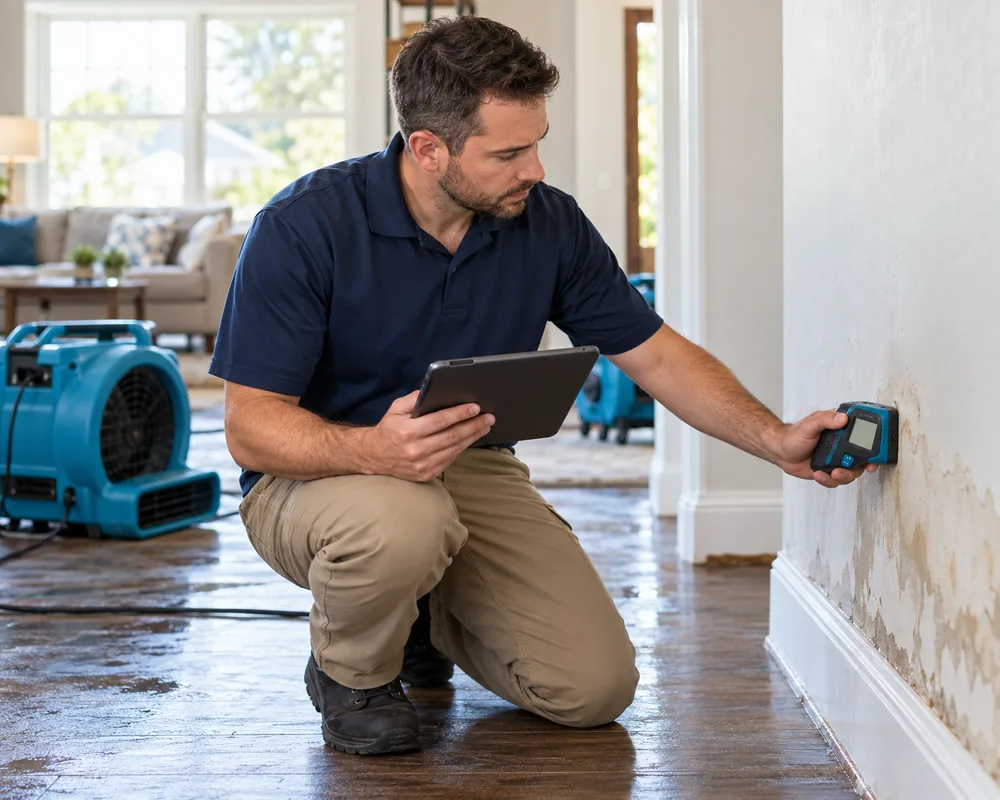
Water Damage Restoration Across the Kansas City Metro
Water damage help is available across communities on both sides of the state line. Call with your ZIP code, the source of the water and the affected areas to confirm current service availability and receive a response estimate for your location.
Kansas Water Damage Service Areas
Additional Kansas communities include Leawood, Prairie Village, Merriam, Mission, Bonner Springs, Gardner and Leavenworth.
Missouri Water Damage Service Areas
- Kansas City, MO
- Lee’s Summit
Additional Missouri communities include Independence, North Kansas City, Liberty, Gladstone, Blue Springs, Raytown, Grandview, Parkville and Belton.
Check Service for Your ZIP Code
Do not see your city listed? Call (913) 456-7070 to confirm current coverage and receive a response estimate for your location.
View All Kansas City Metro Service AreasWhat to Do Before Water Damage Help Arrives
Before cleanup begins, focus on staying safe and limiting further damage. Take these steps only if you can do so without entering water or approaching electrical hazards.
- 1
Stop the Water Source if Safe
For a plumbing or appliance leak, turn off the appropriate water supply if it is safely accessible. Do not cross standing water to reach a valve or electrical panel.
- 2
Stay Away From Electrical Hazards
Keep clear of water near outlets, wiring and electrical equipment. Do not touch wet electrical devices or operate equipment while standing in water.
- 3
Keep People and Pets Away From Contaminated Water
Avoid contact with sewage and outside floodwater. Do not use fans around sewage or water of unknown cleanliness; the source should be assessed before air movement begins.
- 4
Move Belongings Only Within Safe Reach
Move dry valuables and easily carried belongings away from the affected area when safe. Avoid entering water or lifting heavy, waterlogged furniture.
- 5
Photograph the Damage From a Safe Position
Record the apparent source, affected rooms and damaged belongings. Keep relevant receipts and contact your insurer for reporting instructions. Do not delay necessary emergency action to complete photographs.
Once the leak stops or standing water disappears, moisture may still remain beneath flooring and behind walls. An assessment can help determine what needs drying, cleaning or removal.
Call for Water Damage Help: (913) 456-7070Water Damage Restoration FAQs
How long does water damage restoration take?
There is no single timeline for every property. Drying time depends on the affected materials, how far water has spread, contamination and drying conditions. Cleanup and repairs can extend the overall project. Ask for an initial timeline and updates based on moisture readings.
Do I still need drying if the standing water is gone?
Possibly. Removing standing water does not confirm that flooring, wall cavities or other affected materials are dry. Moisture checks help determine whether water remains beneath surfaces and whether additional drying or removal is needed.
Can wet drywall, flooring and insulation be saved?
Some clean-water-damaged drywall and flooring may be retained if their condition allows thorough drying. Swollen drywall, damaged seams and contaminated materials may require removal. Wet fiberglass and cellulose insulation generally need replacement. The assessment should explain which materials can remain and which cannot.
Can I stay in my home during restoration?
Sometimes, if unaffected areas remain safe and essential facilities are usable. Contamination, electrical hazards, structural damage or restricted access may require temporary relocation. Confirm which rooms can be occupied safely with the restoration team and any relevant safety professionals.
How soon should wet materials be dried to reduce mold risk?
EPA recommends drying water-damaged materials within 24–48 hours to help prevent mold growth. This is a prevention guideline, not a guarantee that mold will or will not develop. Begin addressing the moisture promptly, and have suspected mold assessed before disturbing affected materials.
When can damaged walls and floors be repaired?
Rebuilding should follow necessary cleanup and confirmation that retained materials are sufficiently dry. New drywall or flooring should not cover unresolved moisture. Ask how drying completion will be checked and documented before repairs begin.
What should I tell you when I call?
Start with your ZIP code, where the water came from and whether it is still entering. Describe the affected rooms and mention sewage, standing water or electrical concerns. You do not need to know the correct service name before calling.
Water in Your Kansas City Property? Get Help With the Next Step.
A flooded basement, burst pipe or soaked floor can leave you unsure where to begin. Tell us what happened and where the water spread. Call to discuss your cleanup needs, confirm service availability and get a current response estimate for your location.
Call for Water Damage Help: (913) 456-7070Have your ZIP code ready. You do not need to know whether you need extraction, drying or repairs before calling.
Tell Us What Happened
Leave your details and a short description of the water damage so we can follow up about your request.
Form design preview — connect a WordPress form before publishing.
For water that is actively spreading, call instead of waiting for a callback.